 Manufacturing
 Building Facilities
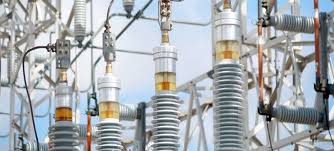 Power & Utilities
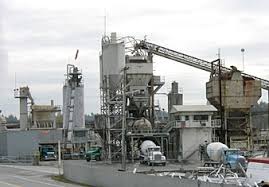 Mining & Metals
 Oil & Gas
Contact Info
+256 392000064
info@eml.co.ug

+256 392000064
info@eml.co.ug
Service
EML provides safety testing for portable, movable and fixed electrical equipment to identify defects that may expose users, facilities or connected systems to electric shock, fire, equipment damage or...
EML provides safety testing for portable, movable and fixed electrical equipment to identify defects that may expose users, facilities or connected systems to electric shock, fire, equipment damage or operational failure.
The service helps confirm that equipment remains suitable for continued use and supports workplace safety, maintenance and compliance requirements.
Electrical equipment can become unsafe because of damaged cables, poor repairs, ageing insulation, moisture, excessive use or mechanical impact. Regular testing helps:
1. Equipment Registration
Each item is identified and recorded using its description, location, asset number or serial number.
2. Visual Inspection
The equipment, plug, cable, enclosure, controls and accessories are inspected for visible defects.
3. Electrical Testing
Appropriate safety tests are carried out according to the equipment type and protection class.
4. Functional Assessment
Basic operation is checked where safe and applicable.
5. Classification and Reporting
The equipment is classified according to the findings, and defects requiring repair, isolation or replacement are documented.
Equipment that fails the safety assessment should be removed from service until it has been repaired, verified and confirmed suitable for use. Repairs are not included unless separately agreed.
Keep Electrical Equipment Safe for Use
Identify damaged or unsafe equipment before it causes injury, fire or operational disruption.
Chat with us on WhatsApp — we'll get back to you within minutes.
Get in touch and we'll walk you through everything you need to know.